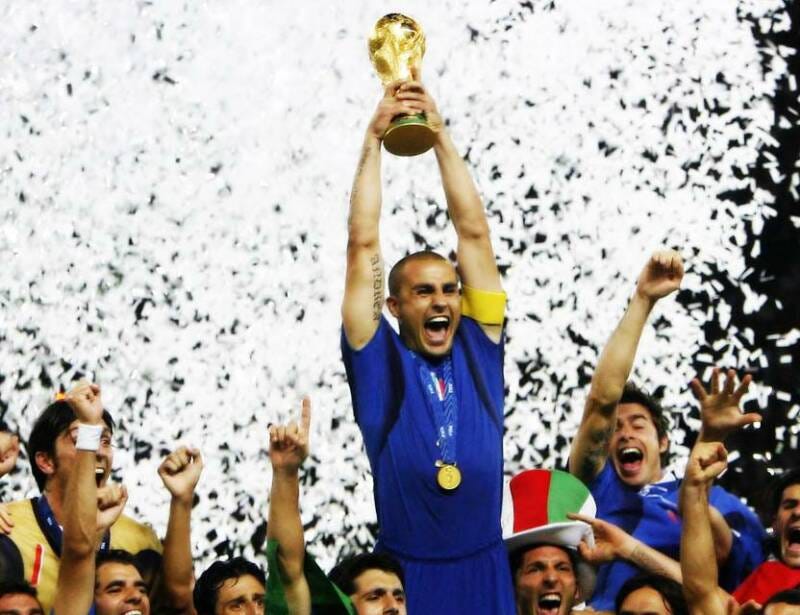
The FIFA World Cup is football’s ultimate time capsule, a tournament where history is written in goals, tears, miracles, and moments that live forever. Across nearly a century of competition, the World Cup has produced achievements so extraordinary they feel almost mythical today. Records set by legendary players and unforgettable teams have stood the test of time, daring future generations to chase the impossible.
As the game evolves and the 2026 World Cup ushers in a new 48-team era with more matches than ever before, some long-standing records may finally come under threat. But others were forged in a different footballing age, shaped by unique circumstances, singular talent, and moments that may never align again.
From goal-scoring feats that defy belief to team accomplishments rooted in dominance and destiny, here are the most iconic FIFA World Cup records that might never be broken, no matter how much the tournament grows.
Pelé’s Three World Cup Titles 🇧🇷
Record: 3 World Cup titles (1958, 1962, 1970)
Pelé remains the only player in history to win three FIFA World Cups. What makes this even more astonishing is that he won his first at just 17 years old.
In the modern game, where squad rotation, intense competition, and player longevity are unpredictable, winning three World Cups across different generations feels almost impossible.
Why It’s Untouchable:
- World Cups are held every 4 years
- Careers are shorter at the elite international level
- Competition depth is stronger than ever
Iconic Moment: Pelé lifted his third trophy in 1970; football perfection.
Miroslav Klose’s 16 World Cup Goals 🇩🇪
Record: 16 goals (2002–2014)
Klose didn’t rely on flair, just positioning, consistency, and ruthless finishing across four tournaments.
Despite legends like Ronaldo, Messi, and Mbappé coming close, breaking 16 goals requires:
- Multiple World Cups
- Deep tournament runs
- Consistent scoring every edition
Why It’s Hard to Beat: Modern football rotates strikers heavily, and injuries often limit longevity.
Fun Fact: Klose never received a red card in his career.
Just Fontaine’s 13 Goals in One Tournament 🇫🇷
Record: 13 goals at the 1958 World Cup
This record is often considered the most impossible in World Cup history.
To put it in context:
- No player since has scored more than 8 goals in a single tournament.
- Fontaine did it in just 6 matches.
Why It’s Likely Safe Forever: Defensive systems, fitness levels, and tactical discipline today make such goal hauls nearly impossible.
Brazil Appearing in Every World Cup 🇧🇷
Record: 22 appearances (1930–2022)
Brazil are the only nation to qualify for every single FIFA World Cup.
Why It’s Special:
- Political boycotts
- Qualification upsets
- Generational dips
Every other major nation has failed to qualify at least once.
Why It Might Never Be Broken: No new nation can retroactively qualify for past tournaments.
Germany’s 7–1 Win Over Brazil 🇩🇪
Record: Largest margin of victory in a World Cup semi-final
The 2014 semi-final shocked the football world. Germany scored five goals in the first 29 minutes — against the host nation.
Why It’s Unrepeatable:
- Tactical embarrassment at the highest level
- Psychological collapse on a global stage
A semi-final mismatch of that magnitude may never happen again.
Youngest World Cup Winner: Pelé (17) 🇧🇷
Record: Youngest World Cup winner and scorer in a final
Modern football rarely allows teenagers to start, let alone dominate, World Cup finals.
Why It’s Nearly Impossible Today:
- Physical demands
- Tactical trust
- Club pressure on young players
Pelé’s early dominance belongs to a different era.
Most Clean Sheets in One Tournament: Italy (2006) 🇮🇹
Record: 5 clean sheets
Italy conceded only 2 goals en route to lifting the trophy.
Why It’s Rare: With modern attacking football and VAR increasing penalties, defensive perfection is harder than ever.
Fastest World Cup Goal: Hakan Şükür (11 seconds) 🇹🇷
Record: 11 seconds (2002)
One lapse in concentration, and history was made.
Why It’ll Stand: Teams are now hyper-focused from kickoff, making early mistakes rare.
Lowest Attendance “Final”: 1950 World Cup 🇧🇷 (The Final That Wasn’t a Final)
The 1950 FIFA World Cup remains one of the most unusual tournaments in football history, not just because of its outcome, but because it never had an official final match. Instead of a single championship game, FIFA used a final round-robin group, where four teams competed to determine the winner. The decisive match came between Brazil and Uruguay at the newly built Maracanã Stadium in Rio de Janeiro. While it wasn’t officially labeled a “final,” the stakes were clear: Brazil only needed a draw to lift the trophy, while Uruguay had to win.
What followed became known as “The Maracanazo” — Uruguay’s shocking 2–1 victory in front of a stunned home crowd.
Why This Record Is Unique
- There was no officially designated World Cup final, a format FIFA abandoned permanently
- Attendance figures vary because it wasn’t categorized as a final match
- The emotional impact outweighed any statistical metric
Despite estimates of over 170,000 spectators inside the Maracanã (still one of the largest crowds in football history), FIFA does not record this game as a traditional final, making 1950 the only World Cup without one.
Why It Will Never Happen Again: Modern World Cups are strictly structured, commercially driven, and built around a globally marketed final match. Broadcasting rights, sponsorships, and fan engagement ensure that a World Cup without a final is now impossible.
Fun Fact: The silence inside the Maracanã after Uruguay’s winner was so profound that journalists described it as “the loudest silence in football history.”
Most World Cup Finals Played: Germany 🇩🇪 (8 Finals)
No nation represents World Cup consistency quite like Germany. Across different generations and football eras, Germany has reached the FIFA World Cup final eight times, a level of sustained excellence unmatched in tournament history. From the discipline of the 1950s to the modern pressing game, Germany has repeatedly rebuilt and returned to football’s biggest stage.
Why This Record Is Hard to Match: Reaching a World Cup final is incredibly difficult. Doing it eight times across decades requires:
- Continuous production of elite players
- Strong football structure and mentality
- Ability to adapt to evolving styles of play
Very few nations manage dominance beyond a single golden generation, Germany has done it repeatedly.
Fun Fact: Germany has also reached the most World Cup semi-finals (13), underlining their reliability on the global stage.
Most World Cup Final Losses: Germany 🇩🇪 (4 Losses)
Reaching the World Cup final is an achievement, but losing it leaves scars. Germany holds the record for the most World Cup final defeats, finishing runners-up four times (1966, 1982, 1986, 2002).
Why It Stands Out: This record highlights just how often Germany goes deep into tournaments. While painful, it also reflects elite-level consistency few nations ever reach.
Most World Cup Finals Without Winning the Trophy: Netherlands 🇳🇱 (3 Finals)
The Netherlands are football’s great romantics, brilliant, influential, and heartbreakingly unlucky. Despite reaching three World Cup finals (1974, 1978, 2010), they have never lifted the trophy.
Why It Hurts: Dutch teams have shaped modern football with flair and innovation, yet the ultimate prize has always slipped away at the final hurdle.
Fun Fact: The Netherlands are often ranked among the greatest nations never to win the World Cup.
Most Consecutive World Cup Semi-Final Appearances: Brazil 🇧🇷 (4 in a Row)
Brazil set a record by reaching four consecutive World Cup semi-finals between 1958 and 1970, winning three titles in that golden era.
Why It’s Nearly Impossible Today: Modern football’s physical demands and tactical parity make long-term dominance extremely difficult, something Brazil once made look effortless.
Every World Cup writes new history, but only a few moments become eternal. These records tell stories of dominance, heartbreak, magic, and once-in-a-lifetime greatness. As football looks ahead to the expanded 2026 World Cup, fans may witness new benchmarks, but the feats of the past remain sacred.
Because while records are made to be challenged, legends are made to be remembered.