
The FIFA World Cup isn’t just about the players, goals, or drama, it’s also about the stage on which football history is made. Stadiums are more than venues; they are temples of the beautiful game, where fans from around the world gather to witness unforgettable moments, and where legends carve their names into history. From roaring crowds to iconic designs, each stadium contributes its own flavor, energy, and story to the tournament.
For the 2026 FIFA World Cup, football fans have even more to get excited about. Hosted across three countries; the United States, Mexico, and Canada the tournament will feature 48 teams, meaning more matches, more drama, and more stadiums than ever before. These venues range from colossal, record-breaking arenas to historic grounds steeped in football heritage. Some will wow visitors with futuristic architecture and cutting-edge technology, while others will resonate with decades of footballing memories and cultural significance.
In this guide, we rank the World Cup 2026 stadiums from the biggest to the most iconic, considering factors such as capacity, atmosphere, design, historical significance, and fan experience. Whether it’s a mammoth arena ready to host tens of thousands of screaming fans or a storied ground that has seen legends lift trophies, we’ll show you why each stadium is essential viewing, and what makes it a bucket-list destination for football fans across the globe.
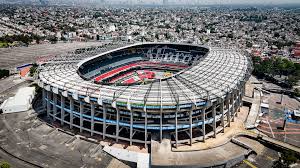
1. Estadio Azteca (Mexico City, Mexico)
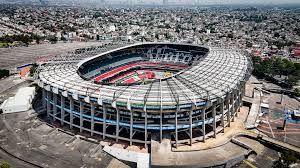
Capacity: ~87,000
Why It’s Iconic: No stadium in World Cup history carries the aura of legend quite like Estadio Azteca. In 2026, it will make history as the first stadium ever to host matches in three men’s FIFA World Cups (1970, 1986, and 2026), a testament to its enduring significance in world football. This hallowed ground has been the stage for some of football’s most unforgettable moments; from Pelé lifting his third World Cup trophy in 1970 to Diego Maradona’s “Goal of the Century” and the infamous “Hand of God”” in 1986. Every corner, every seat, every roar of the crowd feels steeped in history, giving fans and players alike a sense of walking through football lore.
Fun Fact: Situated over 2,200 meters above sea level, Estadio Azteca’s high altitude makes it one of the most physically challenging stadiums for visiting teams, often influencing the pace, stamina, and tactics of matches.
2. MetLife Stadium (East Rutherford, New Jersey, USA)
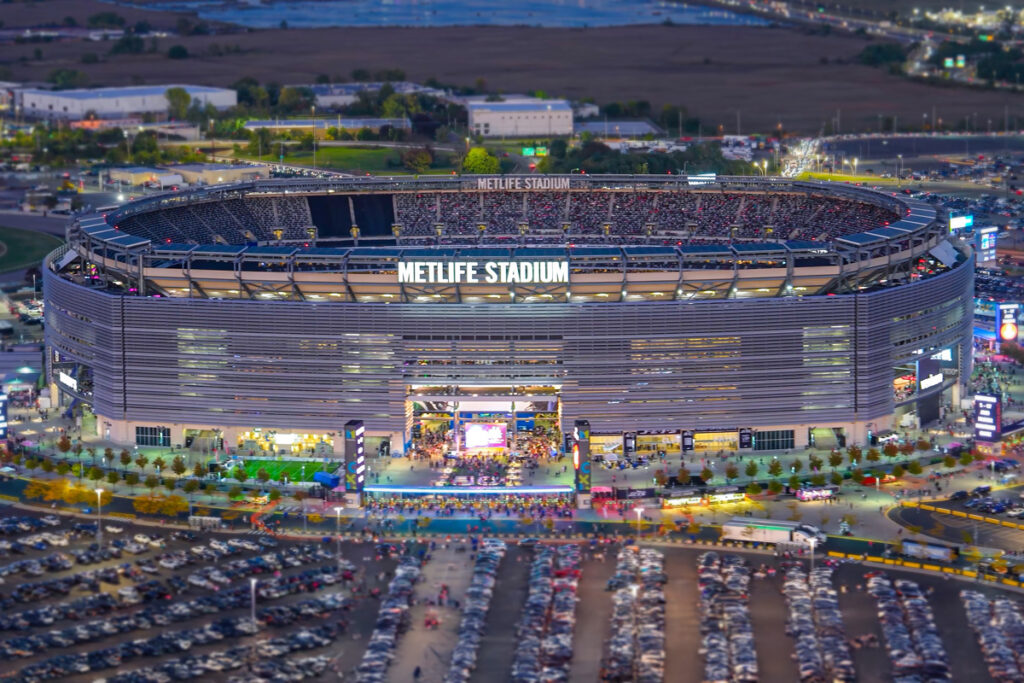
Capacity: ~82,500
Why It’s Iconic: As one of the largest stadiums in the United States, MetLife Stadium promises a modern, electric atmosphere for World Cup 2026. Home to both the New York Giants and New York Jets, it has hosted major sporting events and concerts, making it a world-class venue for football’s biggest stage. With its state-of-the-art facilities, enormous LED screens, and top-tier acoustics, fans will feel every cheer, chant, and goal as if they were part of the action. The stadium’s sheer size and energy make it perfect for high-stakes World Cup matches, where atmosphere can turn the tide of the game.
Fun Fact: MetLife Stadium is the first NFL stadium built entirely with luxury suites in mind, ensuring that VIP fans experience unmatched comfort while still feeling the pulse of the crowd.
3. SoFi Stadium (Inglewood, California, USA)
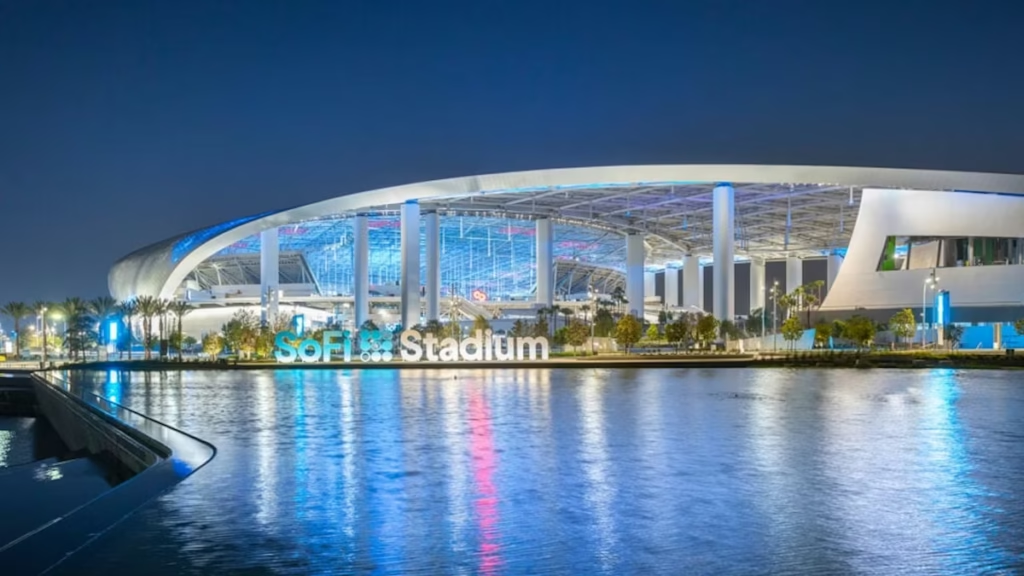
Capacity: ~70,000 (expandable to 100,000 for special events)
Why It’s Iconic: SoFi Stadium is the crown jewel of modern stadium design, blending cutting-edge architecture with immersive fan experiences. Home to the Los Angeles Rams and Chargers, it boasts a massive dual-sided 4K HDR video board suspended above the pitch, creating a stadium experience like no other. Its open-air design with a transparent roof allows natural light while protecting fans from the elements, making it perfect for day or night matches. As the 2026 World Cup arrives, SoFi will host some of the tournament’s biggest matches, delivering spectacle and energy worthy of football’s grandest stage.
Fun Fact: SoFi Stadium cost over $5 billion to build, making it the most expensive stadium in the world, and it also features an underground performance venue, restaurants, and fan zones, making it more than just a football stadium, but a full entertainment destination.
4. AT&T Stadium (Arlington, Texas, USA)
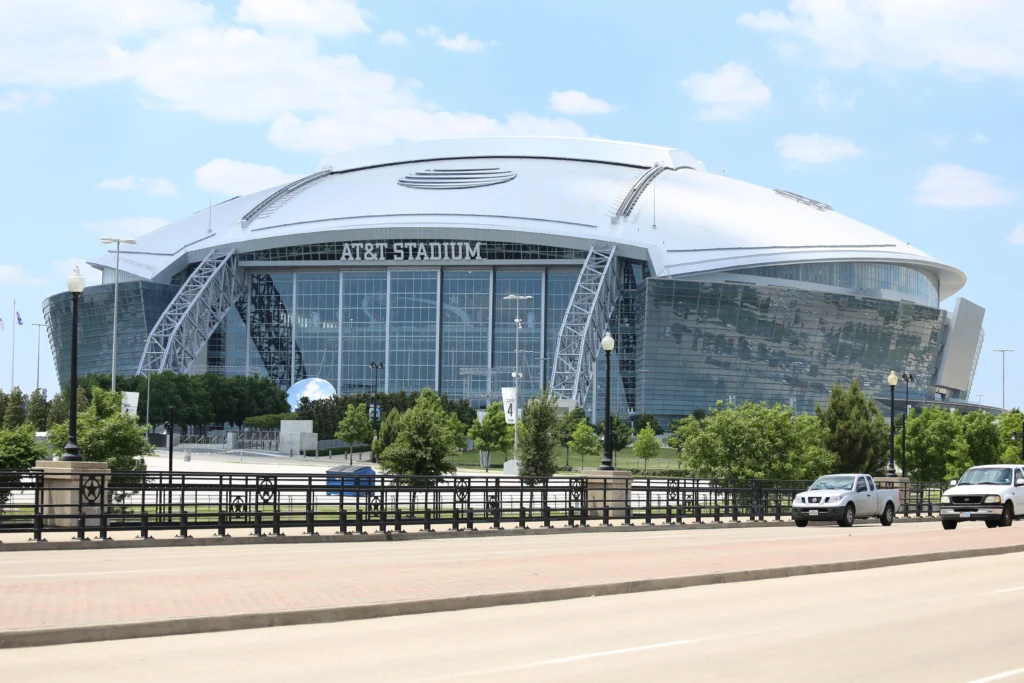
Capacity: ~80,000 (expandable to 100,000 with standing room)
Why It’s Iconic: Known as the “House that Jerry Built,” AT&T Stadium is a marvel of modern architecture and one of the largest stadiums in the United States. Its retractable roof, massive center-hung HD video board, and state-of-the-art facilities make it a spectacle both for fans and players. Hosting World Cup matches in 2026, it combines football tradition with cutting-edge technology, creating an unforgettable stage for the tournament’s high-stakes drama.
Fun Fact: The stadium’s center video board is one of the largest in the world, measuring over 160 feet long and 72 feet tall, a true landmark for fans inside and outside the stadium.
5. Estadio BBVA (Monterrey, Mexico)
Capacity: ~53,500
Why It’s Iconic: Estadio BBVA is a modern architectural marvel and one of the most football-focused stadiums in the Americas. Opened in 2015, it’s home to C.F. Monterrey has quickly earned a reputation for its electric atmosphere, passionate fans, and breathtaking design. For the 2026 FIFA World Cup, BBVA will showcase high-octane football in a stadium that feels intimate despite its size, making every goal, tackle, and save feel larger than life.
Fun Fact: It’s exterior resembles jagged mountains, earning it the nickname “The Mountains of Monterrey”, and it’s often ranked among the top stadiums in Latin America for its sightlines and modern amenities.
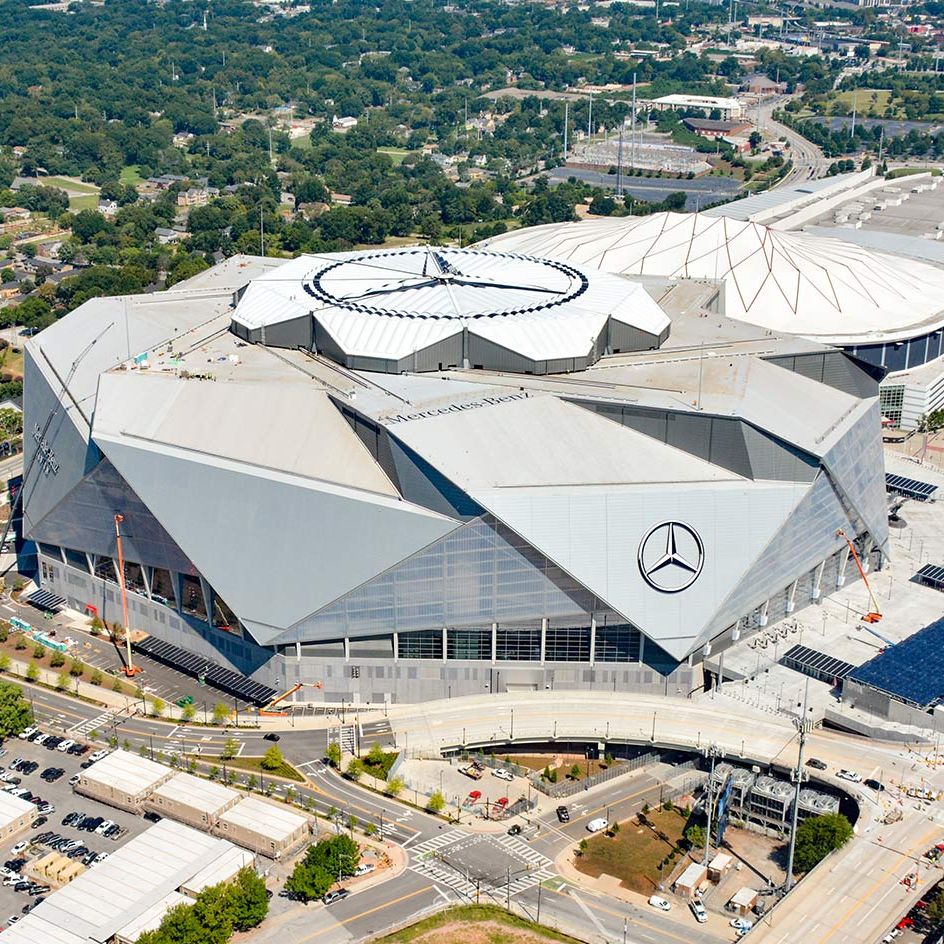
6. Mercedes-Benz Stadium (Atlanta, USA)
Capacity: ~71,000 (expandable to 75,000)
Why It’s Iconic: Mercedes-Benz Stadium is a state-of-the-art venue in the heart of Atlanta. Opened in 2017, it’s known for its futuristic retractable roof and the world’s largest circular video board, creating an unforgettable fan experience. The stadium has already hosted major events including the Super Bowl, MLS Cup, and College Football Playoff National Championship, cementing its reputation as a premier American sports venue.
The Stadium will host multiple group-stage matches and knockout rounds, offering fans a modern, immersive World Cup experience in a city rich with culture, history, and hospitality.
Fun Fact: The stadium’s roof design resembles a camera aperture that opens and closes, allowing natural light to flood the pitch while maintaining full coverage in bad weather.
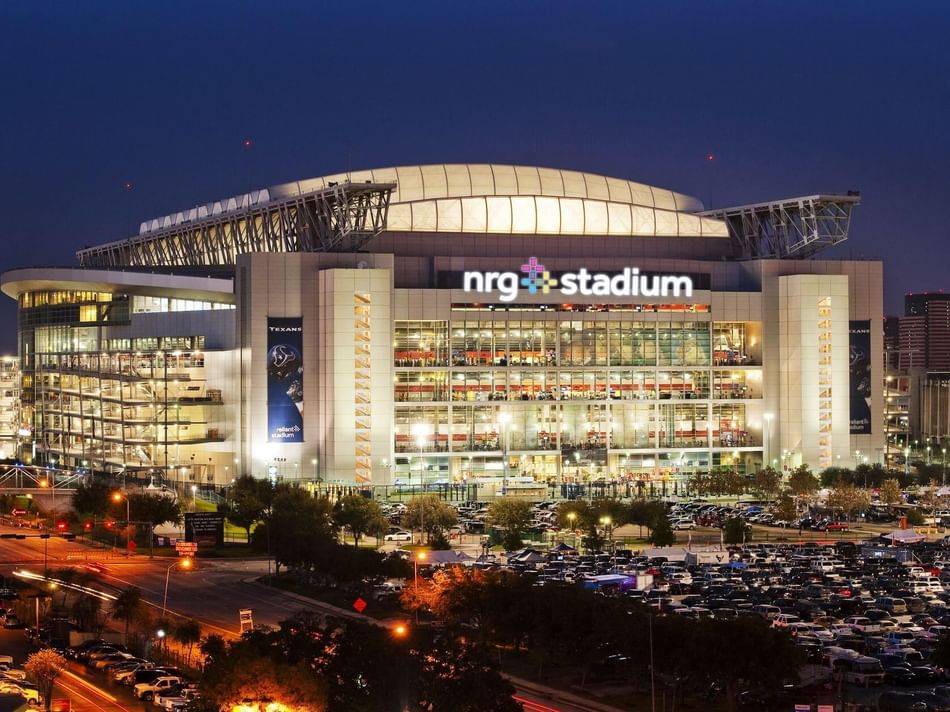
7. NRG Stadium (Houston, Texas, USA)
Capacity: ~72,220
Why It’s Iconic: NRG Stadium, home to the Houston Texans (NFL), is known for its fully retractable roof and versatility as a multi-sport venue. It’s hosted the Super Bowl, NCAA Final Four, and MLS matches, making it one of the most experienced stadiums in handling massive international events. Its design allows fans to enjoy games in comfort, whether indoors or outdoors, making it ideal for the intense heat of Houston summers.
As one of the larger US World Cup venues, NRG Stadium will host key group-stage and knockout matches, giving fans in Texas a chance to experience high-octane World Cup action. Its location in Houston, one of America’s most diverse cities, also ensures a vibrant, international fan atmosphere.
Fun Fact: NRG Stadium was the first NFL stadium in the United States with a retractable roof and the ability to switch between natural grass and artificial turf.
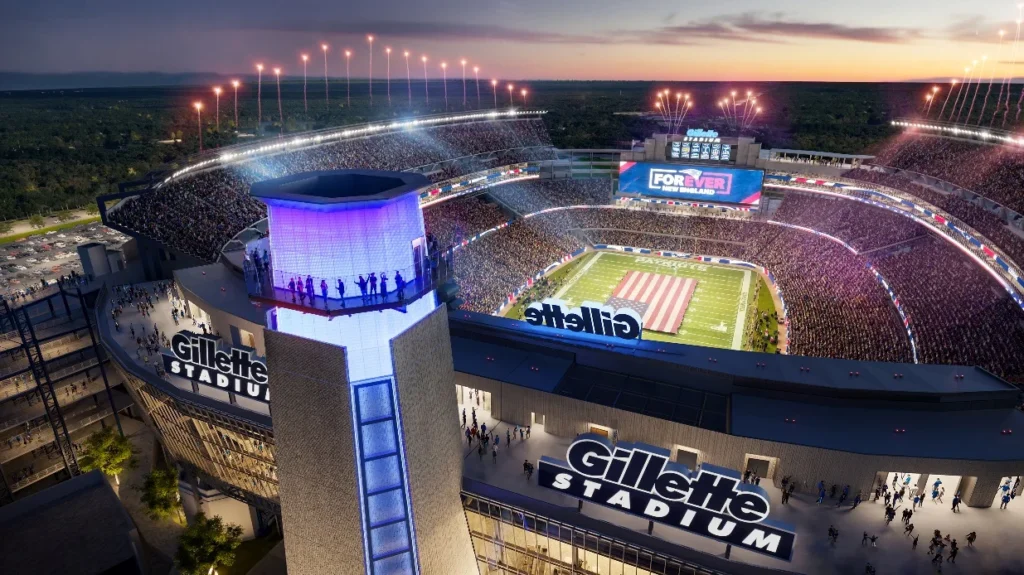
8. Gillette Stadium (Foxborough, Massachusetts, USA)
Capacity: ~65,000
Why It’s Iconic: Home to the New England Patriots, Gillette Stadium has been a landmark in American sports since 2002. Its modern amenities, fan-friendly design, and proximity to Boston make it a strategic venue for World Cup matches in the Northeast. Fans in the Northeastern US can enjoy high-level World Cup action in a stadium known for passionate crowds and easy access from Boston and surrounding areas.
Fun Fact: The stadium hosts not only football but also concerts and international soccer friendlies, showing its versatility as a world-class venue.
9. BC Place (Vancouver, Canada)
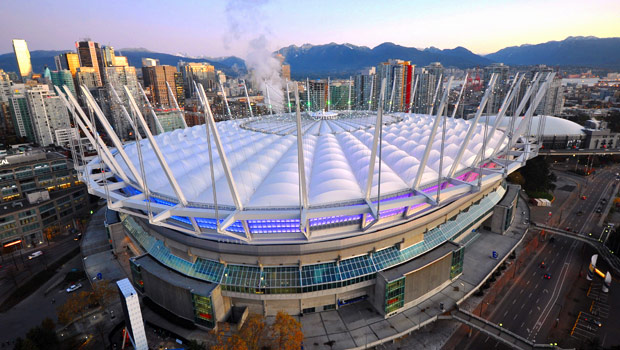
Capacity: ~54,500
Why It’s Iconic: BC Place Stadium is a Canadian landmark and home to Vancouver Whitecaps FC. With a fully retractable roof, it can host matches in comfort regardless of weather, and its scenic location near the mountains makes it visually stunning. BC Place will bring World Cup excitement to the Canadian west coast, offering fans a mix of urban energy, Pacific Northwest scenery, and modern stadium luxury.
Fun Fact: It was the site of the 2010 Winter Olympics opening ceremony and features one of the largest LED roof displays in North America.
10. Commonwealth Stadium (Edmonton, Canada)
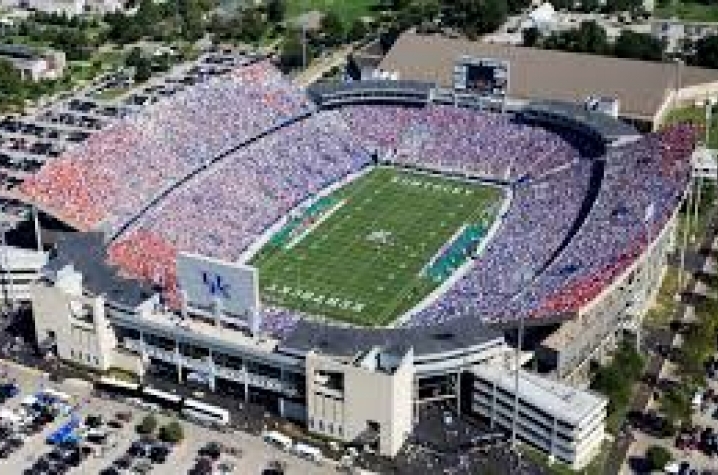
Capacity: ~56,400
Why It’s Iconic: Also known as EPCOR Stadium, Commonwealth Stadium has been a historic Canadian venue since 1978. Its open-air design and large capacity make it ideal for big matches, and it’s known for hosting CFL Grey Cup games and international soccer events. As part of Canada’s World Cup venues, it will allow fans to experience elite-level football in a city with a rich sporting history and passionate local fanbase.Fun Fact: It’s one of the largest stadiums in Canada and has been upgraded multiple times to meet FIFA standards for international football.