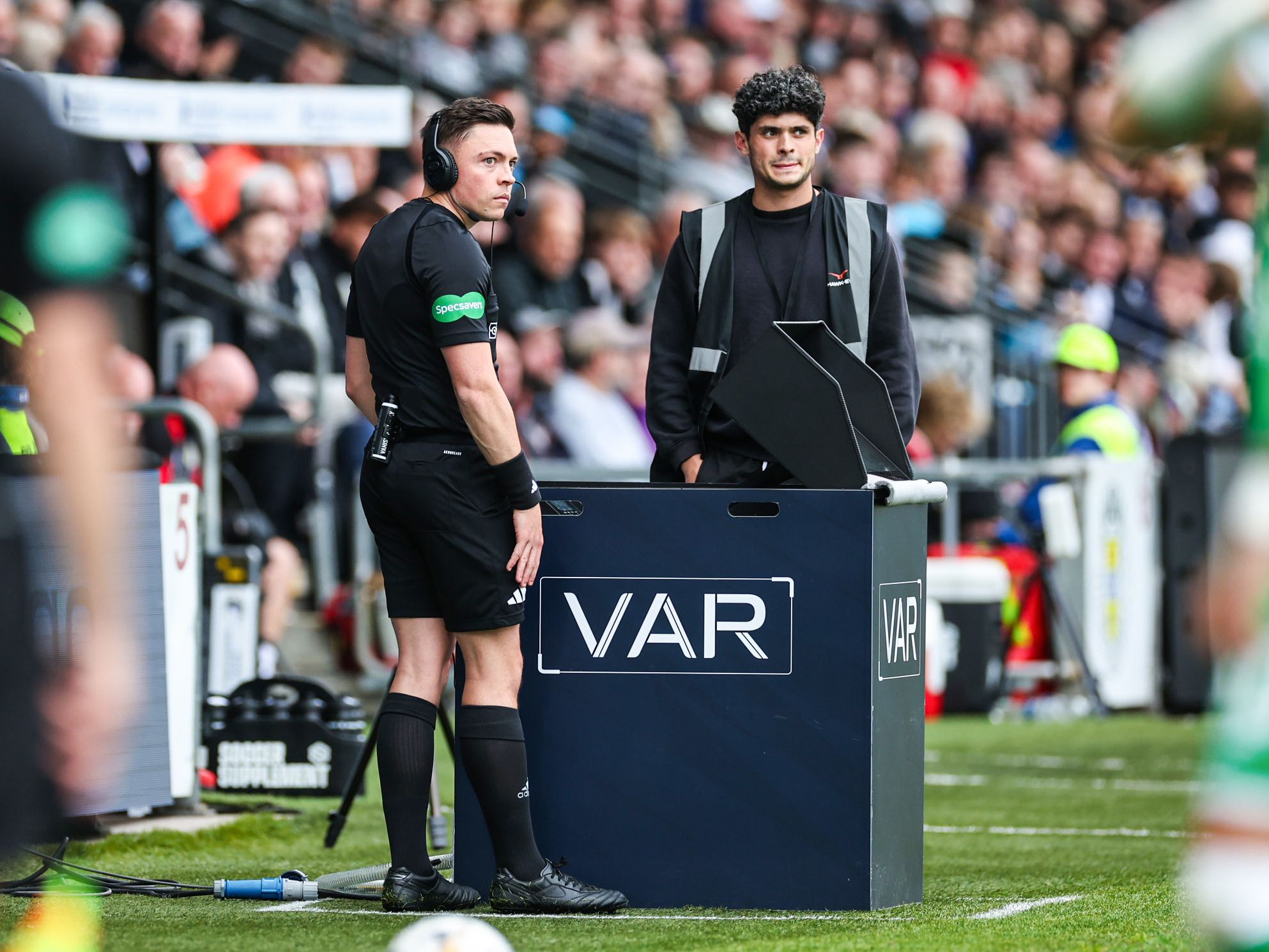
The FIFA World Cup has always been a stage for unforgettable moments, stunning goals, game-changing saves, and sometimes, heated controversies. But in 2026, the spotlight won’t just be on the players; it will also shine on the officials and the technology guiding their decisions. VAR (Video Assistant Referee) has already transformed modern football, but the 2026 tournament promises an even more evolved system, alongside new refereeing rules designed to make matches fairer, faster, and more transparent. For fans, this means every goal, penalty, and red card could carry even more drama moments that could instantly shift the balance of the game, spark debate worldwide, or create history in unexpected ways.
Beyond the technology, the changes reflect football’s constant evolution, balancing tradition with innovation. From tweaks in offside interpretation to stricter enforcement of fouls and handball rules, players and coaches will need to adapt faster than ever. Matches that once hinged on luck or human error might now be decided by split-second video reviews and precise rule applications. For spectators, this adds a new layer of excitement and tension as every decision becomes a potential talking point long after the final whistle. In essence, World Cup 2026 won’t just showcase the world’s best football talent; it will also highlight the cutting-edge systems shaping how the beautiful game is experienced on the global stage.
The Evolution of VAR in Football
Alongside VAR, FIFA is introducing several rule tweaks designed to improve fairness, speed, and consistency on the pitch. These changes may seem subtle on paper, but they can dramatically affect the flow of matches, team strategies, and even the outcome of crucial games. From offside interpretations to handball rules and stricter enforcement of fouls, players and coaches will need to adapt quickly, while fans may see matches decided in ways never before possible.
One of the most talked-about changes is the clarification of handball rules. Defenders and attackers alike will need to be hyper-aware of how their arms and bodies are positioned, as VAR will enforce these rules more strictly and consistently. Offside technology is also evolving, with faster and more precise reviews that could catch even the tiniest infractions. Meanwhile, referees are being encouraged to maintain game flow, meaning some minor fouls may be played advantageously to keep matches exciting and continuous. For fans, this creates a mix of anticipation and tension: every touch, tackle, or misstep could be scrutinized, replayed, and debated across social media, stadiums, and living rooms worldwide.
Some experimental VAR trials in domestic leagues have reduced review times to under 50 seconds, if implemented in 2026, fans could see decisions delivered faster than ever before, keeping the game thrilling while minimizing delays.
New Refereeing Rules to Watch
FIFA has introduced several rule tweaks for the 2026 World Cup that could significantly impact gameplay, strategies, and fan experience. Here’s what to watch:
- Offside Adjustments
- The interpretation of “interfering with play” has been refined.
- Goals will now only be disallowed if the attacker actively affects the play or gains an advantage.
- Expect more close-call goals to stand, rewarding attacking creativity.
- The interpretation of “interfering with play” has been refined.
- Handball Rule Clarifications
- Accidental handballs leading directly to a goal may no longer be penalized.
- Defenders’ hand positions and body movements are now analyzed more contextually.
- Accidental handballs leading directly to a goal may no longer be penalized.
- Fouls and Simulation Crackdown
- Diving and simulation will result in immediate yellow cards.
- Referees are encouraged to protect attacking players from unfair challenges.
- Diving and simulation will result in immediate yellow cards.
- Goal Kick / Free Kick Faster Play
- Emphasis on speeding up restarts to encourage attacking football.
- Teams can transition quickly from defense to attack, increasing match tempo.
- Emphasis on speeding up restarts to encourage attacking football.
These rule changes, combined with enhanced VAR, aim to deliver faster, fairer decisions, fewer stoppages, and more attacking football, making the 2026 World Cup an even more thrilling spectacle for fans worldwide.
How VAR Could Change Tactics
With the evolution of VAR in 2026, teams will need to adapt strategically like never before. For attackers, the refined offside interpretations and faster reviews provide more incentive to take risks near goal. Strikers can push the line, knowing that tight offside calls may now stand, potentially creating more thrilling scoring opportunities and encouraging high-tempo, daring attacks that could decide matches.
Defenders, on the other hand, will need to exercise caution and precision. Every handball, reckless tackle, or mistimed challenge could be instantly reviewed by VAR, leaving little room for error. Defensive discipline will become crucial, as a single lapse could result in overturned decisions or costly penalties, forcing teams to rethink traditional defensive strategies.
Coaches, too, will have to adjust their tactical planning. Substitutions, pressing strategies, and game management may all consider the likelihood of VAR interventions, especially during pivotal moments such as set pieces or potential penalty situations. The interplay between technology and tactics adds a new layer of strategy, making preparation and split-second decision-making more important than ever.
Fun Fact: During the 2022 World Cup, VAR overturned 14 goals, changing the outcome of several key matches. With faster and more precise reviews expected in 2026, fans can anticipate even more impactful moments where technology directly shapes the story of the tournament.
VAR Controversies, Challenges, and What It Means for Fans
Even with improvements, VAR is not without its controversies and challenges:
- Subjectivity Remains – Decisions on fouls, handballs, and offside calls can still involve interpretation, leaving room for debate.
- Match Flow Concerns – Some fans may feel delays disrupt the natural rhythm and excitement of the game.
- Pressure on Referees – With every call scrutinized globally, the stakes for officials remain incredibly high.
Despite these challenges, FIFA is confident that faster reviews, clearer communication, and updated protocols will minimize drama and keep matches engaging.
For fans, the combination of VAR and new refereeing rules could make the 2026 World Cup even more thrilling:
- Higher Scoring – Fewer wrongly disallowed goals mean more moments of celebration.
- More Fair Play – Players attempting dives or cheats will face immediate consequences, keeping the game honest.
- Tactical Evolution – Teams will adjust strategies knowing VAR is watching every detail, creating smarter, faster-paced football.
- Enhanced Fan Engagement – Clear explanations of decisions will help fans understand calls in real-time, making controversial moments less confusing and more exciting.
Imagine a last-minute winner being upheld thanks to VAR, or a penalty correctly awarded in the dying minutes, the drama, justice, and thrill all happening simultaneously, making every match of World Cup 2026 unforgettable.