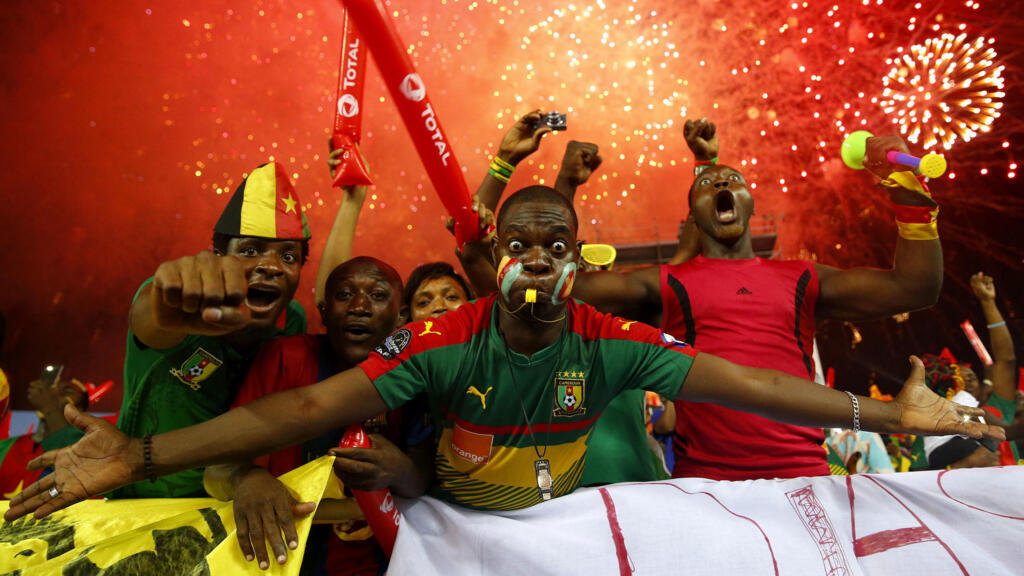
For decades, African football has carried a burning dream, one that echoes from Lagos to Cairo, Accra to Dakar, and the streets of Johannesburg to the markets of Casablanca: seeing an African nation win the FIFA World Cup. The continent has produced world-class talent, stunned giants on the global stage, and delivered some of the most iconic underdog moments the tournament has ever seen. Yet the ultimate breakthrough remains just out of reach.
But something feels different heading into FIFA World Cup 2026. African teams are no longer outsiders; they are contenders. The gap in quality, mentality, and preparation has never been smaller. Investments in youth academies, tactical coaching, player development, and European exposure have transformed African football into a powerhouse. And after Morocco’s historic 2022 semifinal run, combined with the explosion of elite African stars dominating Europe’s top leagues, the momentum has shifted.
So now the question is no longer: “Can Africa compete?”
It’s becoming: “Is 2026 finally the year Africa shocks the world and lifts the trophy?”
But they just might have a real chance this time around, so let’s break it all down to the talent, the teams, the data, and the reasons Africa might be closer than ever to making history.
Africa’s Rise: Why 2026 Feels Different
1. Morocco’s Historic 2022 Run Changed Everything
Morocco’s unbelievable journey to the 2022 World Cup semifinals didn’t just rewrite history, it shattered every stereotype the world had about African football. For decades, African teams were praised for flair, passion, and unpredictability, but rarely respected for discipline, structure, and elite-level consistency.
Morocco changed all of that in one tournament.Their run wasn’t a Cinderella story. It was a masterclass in modern football, a tactical blueprint that proved Africa can dominate the world’s biggest stage.
Why Morocco’s Run Was a Turning Point
They showed the world that African teams can:
- Defend like European giants: With the best defensive record in the tournament, Morocco shut down Spain’s tiki-taka and neutralized Portugal’s superstars. Their backline played with intelligence, not just intensity.
- Play with identity, structure, and tactical clarity: Walid Regragui built a system where every player knew their role. This wasn’t chaos… It was chess. And Morocco played it better than the former champions.
- Beat elite nations repeatedly: Spain? Gone. Portugal? Eliminated. France? Pushed to the limit. This wasn’t a fluke, it was dominance built on preparation, mentality, and world-class talent.
- Compete deep into the knockout stages: Previous African giants often fell short in the quarters due to fatigue, inexperience, or tactical gaps. Morocco broke that narrative by staying strong, focused, and fearless all the way to the final four.
What It Means for Africa in 2026
For the first time, the football world had no choice but to admit one truth: Africa is no longer “promising talent.” Africa is a real threat.
Morocco’s success lifted the entire continent. It gave belief to Senegal, Nigeria, Ghana, Cameroon, Algeria, and Egypt. It showed that with the right coaching, organization, and mentality, an African team can not only compete, but go all the way.
And heading into 2026, Morocco still looks sharp:
- A golden generation in its peak
- Players dominating Europe
- Youth talent rising fast
- A proven tactical philosophy
- Experience in high-pressure knockout games
If Africa has hope in 2026, Morocco is one of the biggest reasons why.
2. The Talent Boom Is Unreal
If there’s one reason African nations can dream big in 2026, it’s because the continent has never produced this much world-class talent at the same time.
From superstars in Europe’s biggest clubs to young prodigies rising fast, Africa’s talent pool in 2026 looks deep, disciplined, and deadly the exact formula needed for a World Cup breakthrough.
Below is a refined list of qualified nations and the elite players who can redefine Africa’s destiny.
🇲🇦 Morocco – The Golden Generation Continues
Achraf Hakimi (PSG) : One of the best right-backs in the world, blistering pace, elite stamina, and a constant attacking threat. A proven leader with big tournament experience.
Azzedine Ounahi (Marseille) : Silky midfielder known for his composure, progressive carries, and ability to dictate tempo. A key engine during the 2022 miracle run.
🇸🇳 Senegal – Power, Pace & Prime Talent
Nicolas Jackson (Chelsea) : High-intensity striker with speed, work-rate, and smart movement. Still improving, a dangerous weapon in transitions.
Pape Matar Sarr (Tottenham) : The heartbeat of Spurs’ midfield, intelligent, press-resistant, and fearless. A future world-class midfielder.
Edouard Mendy (Al-Ahli) : Africa’s most experienced goalkeeper on the big stage. Calm, commanding, and capable of match-winning saves.
🇪🇬 Egypt – Led by a Modern Legend
Mohamed Salah (Liverpool) : Still one of the deadliest forwards in world football. A generational star, relentless in front of goal, with an elite big-game mentality. His leadership and experience could make Egypt a dark horse in 2026.
🇨🇮 Ivory Coast – The Resurgent Champions
Sébastien Haller (Borussia Dortmund) : A powerhouse No. 9, brilliant hold-up play, aerial dominance, and clinical finishing. Thrives on the biggest stages (AFCON, UCL).
Franck Kessié (Al-Ahli) : A midfield warrior with unmatched physicality, discipline, and box-to-box presence. Sets the tone in every match.
🇲🇱 Mali – The Dark Horse Nobody Should Sleep On
Amadou Haidara (RB Leipzig) : Dynamic, energetic, and tactically smart. A midfield workhorse who controls transitions.
Yves Bissouma (Tottenham) : Elite ball-winner, strong in duels, and excellent under pressure. A player built for knockout football.
Why This Talent Boom Matters for 2026
Across these squads, Africa now has:World-class fullbacks (Hakimi), Elite attackers (Salah, Adingra, Jackson), High-IQ midfielders (Sarr, Ounahi, Kessié), Solid goalkeepers (Mendy), Powerful strikers (Haller, Koita)
But most importantly, these players compete weekly in Europe’s best leagues, gaining the tactical discipline and mental sharpness required to beat top nations consistently. For the first time ever, African teams aren’t just talented, they’re complete.
3. Better Coaching + Structured Systems
One of the biggest reasons 2026 feels different is the massive leap African nations have made in coaching, tactical structure, and football intelligence. The old stereotype that African teams rely only on raw talent is officially dead. Today’s African sides are built on strategy, discipline, and modern football science, the exact ingredients required to survive and win at the World Cup. Across the continent, federations have finally begun investing in the foundations that truly matter:
• Modern Coaching & Elite-Level Managers
Many African teams now hire coaches who understand European-style organization, pressing systems, and in-game adjustments. Morocco proved the power of this shift in 2022, structured defending, tactical flexibility, and perfect game management.
Teams now have;High-press strategies, Compact mid-blocks, Transition-based systems, Set-piece routines and Fluid positional play. In this new era, African teams are tactically prepared, not just physically gifted.
• Data-Driven Football Development
Analytics are now part of African football preparation. Teams analyze Opponent weaknesses, Recovery patterns, Pressing efficiency, Passing lanes and Set-piece tendencies. This was a huge factor in Morocco defeating Spain and Portugal, as every detail was studied, every phase planned.
• Youth Academies & Local Talent Pipelines
Academies like:
- Right to Dream (Ghana)
- Diambars Academy (Senegal)
- MimoSifcom (Ivory Coast)
- Mohammed VI Academy (Morocco)
Are producing players trained at the same level as European prospects, technically sharp, tactically aware, and mentally conditioned for elite football. These academies now feed directly into European clubs, creating a cycle of improvement never seen before.
• Coaching Courses & Local Bench Strength
African federations now run consistent CAF and UEFA-certified coaching programs, helping to produce more educated local coaches, continuity in national team identity, fewer last-minute tactical experiments and better player development at grassroots levels. For the first time, African national teams have long-term football strategies instead of tournament-by-tournament improvisation.
• Tactical Maturity & Tournament Intelligence
African teams entering 2026 know how to defend as a unit, play patient, structured football, manage game tempo, control transitions, stay calm in knockout pressure and maintain shape for 120 minutes. This is exactly how you survive and advance in World Cups.
Why It Matters
The truth is simple; Talent alone doesn’t win World Cups,structure does, and Africa finally has both. This tactical evolution is why the world now views African teams not as unpredictable wildcards, but as organized, dangerous, intelligent contenders.
4. The 48-Team Format Helps Africa
One of the most exciting changes for World Cup 2026 is the expanded 48-team format, up from 32 teams. For African football, this isn’t just a numbers increase; it’s a game-changer. The continent now secures 9 or 10 guaranteed spots, giving more nations the chance to showcase their talent, gain valuable experience, and, most importantly, dream of a deep tournament run.
Why This Matters for Africa
- Higher qualification odds: Strong teams no longer face the brutal elimination lottery. More slots mean fewer heartbreaks in qualifying and a bigger chance for Africa’s top sides to participate.
- More competitive experience: Each additional African nation in the tournament adds exposure to high-level international football, which develops players and teams for future success.
- Reduced “group of death” risks: With more groups, Africa’s top teams can avoid early exits caused by extremely stacked groups, giving them the breathing room to advance.
- Diverse matchups: New African entrants will face a wider variety of opponents, forcing tactical creativity and potentially opening up historic upset opportunities.
- Greater probability of a deep run: Statistically, the more teams you have in the tournament, the higher the chance one of them can reach the semifinals or beyond, something Morocco nearly achieved in 2022.
In short, more African teams = more stories, more goals, more opportunities for history. The 2026 World Cup’s format finally aligns with Africa’s growing football pedigree, giving the continent a tangible shot at lifting the ultimate prize.
5. African Teams Now Have Fearless Mindsets
Gone are the days of inferiority complexes or trembling in front of football giants. Today’s African teams enter the World Cup with confidence, belief, and fearlessness. Morocco showed no fear against Spain or Portugal, Senegal stood toe-to-toe with France in 2022, Ivory Coast thrived under pressure, and even Nigeria had the talent and mentality to challenge anyone on the biggest stage. This collective mindset shift, fearless, ambitious, and mentally tough, gives Africa its strongest psychological edge in history.
Top African Contenders for 2026
🇲🇦 Morocco — The Blueprint Team
Morocco remains the most organized and disciplined African side, combining elite defensive structure with a fearless mentality. Under a coach who knows exactly what he wants, the Atlas Lions have developed a winning formula that blends tactical intelligence with world-class talent. Why they can win it:
- Tactical discipline at the highest level
- Proven ability to beat top teams in knockout stages
- A golden generation of stars like Achraf Hakimi and Azzedine Ounahi
Iconic moment: Beating Portugal 1–0 to reach the 2022 semi-finals, the moment Africa truly believed.
🇩🇿 Algeria — The Experienced Technicians
Algeria boasts a perfect mix of experience and young attacking talent. Known for fluid midfield play, technical mastery, and smart transitions, the Desert Foxes can challenge any opponent when firing on all cylinders. Why they can win it:
- Skilled midfielders who control the game
- World-class forwards capable of deadly counter-attacks
- Strong international experience and tactical awareness
Iconic moment: Algeria’s stunning 2019 AFCON victory, showcasing resilience, technical brilliance, and squad unity.
🇸🇳 Senegal — Balanced & Resilient
Senegal is Africa’s powerhouse of balance and resilience. With strong midfielders, disciplined defenders, and elite attacking options, the Lions of Teranga combine physicality with skill. Why they can win it:
- AFCON-winning experience
- Physically imposing and tactically disciplined squad
- Top defenders and midfielders capable of controlling big games
Iconic moment: Beating France in the opening match of the 2002 World Cup, Africa’s most famous shock victory.
🇨🇮 Ivory Coast — The Dark Horse
Ivory Coast brings creativity, fearlessness, and unpredictability. With technically gifted players and a strong mental approach, the Elephants are a nightmare for any opponent. Why they can win it:
- Highly creative attacking players
- Mentally tough and fearless on the big stage
- Proven AFCON-winning belief and leadership
Iconic moment: Didier Drogba inspiring the nation to qualify for the 2006 World Cup, a testament to leadership and African pride.
Challenges Africa Still Faces
Despite the remarkable progress, African teams are not without obstacles. Inconsistent management within some football federations can affect preparation and logistics, while defensive lapses and an occasional over-reliance on individual stars leave teams vulnerable in high-pressure matches. Preparation gaps, such as limited pre-tournament friendlies against top-tier opponents, can also hinder performance at the World Cup stage.
Another factor to consider is the travel and tournament logistics for 2026. With matches spread across the USA, Mexico, and Canada, long flights and varying climates may test squad depth and stamina. Yet, compared to previous decades, the gap between Africa and the traditional football powers has never been smaller, and the continent’s fearlessness, tactical growth, and golden generation mean these challenges are surmountable.
So… Can Africa Win in 2026?
In short; Yes. 2026 represents Africa’s best chance ever to lift the FIFA World Cup. The perfect storm is in place: world-class talent, modern coaching, tactical evolution, fearless mindsets, and the expanded 48-team format all align to give African nations a real shot at glory. Teams like Morocco, Senegal, Algeria, and Ivory Coast have the skill, experience, and momentum to make history if they seize their opportunities.
For the first time, this isn’t a distant dream or a rhetorical question, it’s a genuine possibility. Africa has the players. Africa has the belief. Africa has the structure and preparation. All that remains is the moment to step onto the world stage and rewrite history. 2026 could finally be the year an African nation lifts the ultimate prize; FIFA World Cup Trophy
